Water Damage Cleanup Tips for Homeowners in Carol Stream IL
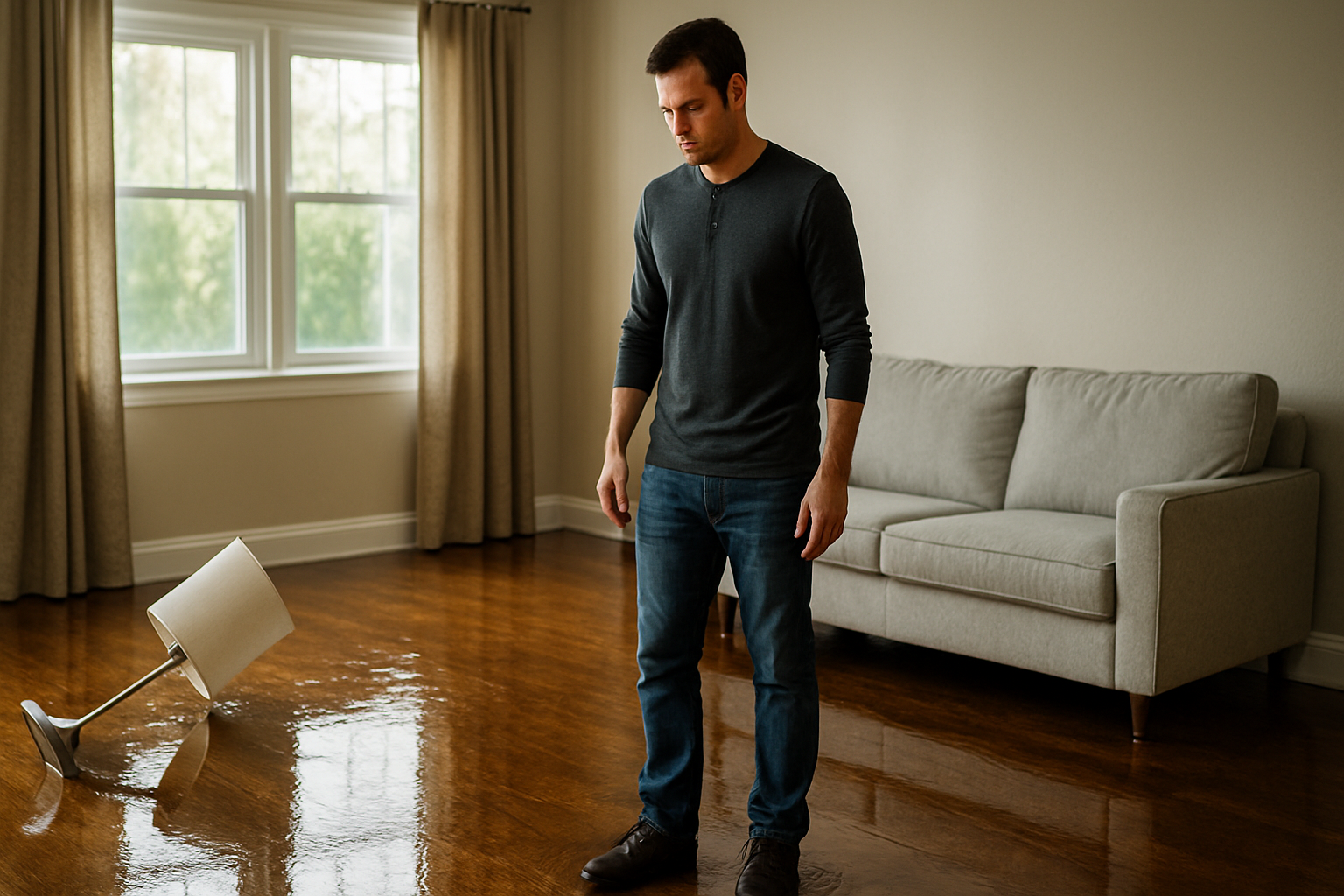
When water shows up inside a home in Carol Stream it never sends a polite warning. It just appears soaks everything you love and dares you to figure out what comes next. I have spent nearly two decades inside the restoration world and I can tell you that the difference between a minor headache and a full blown disaster usually comes down to how quickly a homeowner reacts.
The right cleanup steps taken in the right order can save thousands of dollars and weeks of stress. This guide breaks it down in a clear and practical way so you can take control before the situation takes control of you.
Understanding how water damage works
The moment water enters a structure the clock starts ticking. Drywall absorbs it like a sponge. Flooring warps. Bacteria get comfortable. Mold begins its countdown. That might sound dramatic but it is simply physics mixed with Midwest humidity. Carol Stream homes especially the older ones have building materials that do not handle moisture well. That means even small leaks can turn into big problems faster than homeowners expect.
Industry guidelines point out that water begins compromising structural materials within hours. When left untreated for a full day the damage can move from cosmetic to structural. That is why the first goal is always to stop the source and stabilize the environment.
Step one find and stop the water source
You cannot dry anything until the water stops entering the house. For many Carol Stream homeowners the most common sources are burst pipes, sump pump failure, roof leaks or appliance malfunctions.
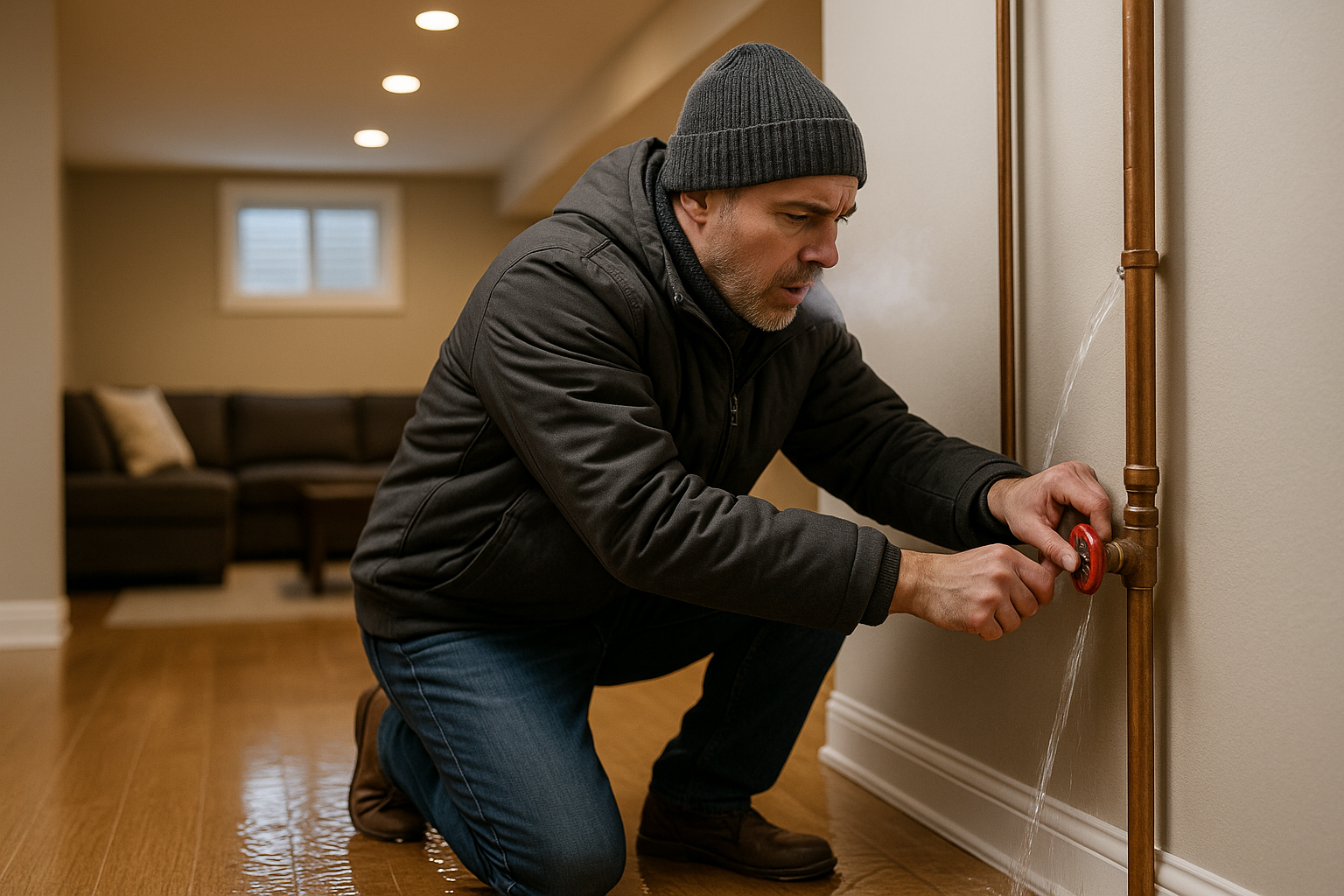
Turn off the main water valve if plumbing is involved. If the source is weather or roof related cover or block off the affected area as best as possible. Professional help is often needed here and that is normal. The important thing is to prevent more water from entering the structure.
Step two shut off electricity in affected zones
Never mix water with electricity. Go to the breaker panel and shut off power to the impacted rooms. Safety always comes first even when you feel rushed or overwhelmed. Restoration professionals see too many avoidable injuries caused by homeowners trying to move through wet areas without cutting the power.
Step three document everything for insurance
This is where people who skip details get crushed by their insurance company later. Before touching a single thing take photos of every angle. Get wide shots close ups and pictures that show the path of the water.
If you are in Carol Stream you are dealing with Illinois insurance adjusters who love documentation. This step protects you and increases your chances of a fair settlement. Keep receipts notes and timestamps for every action you take.
Step four remove standing water immediately
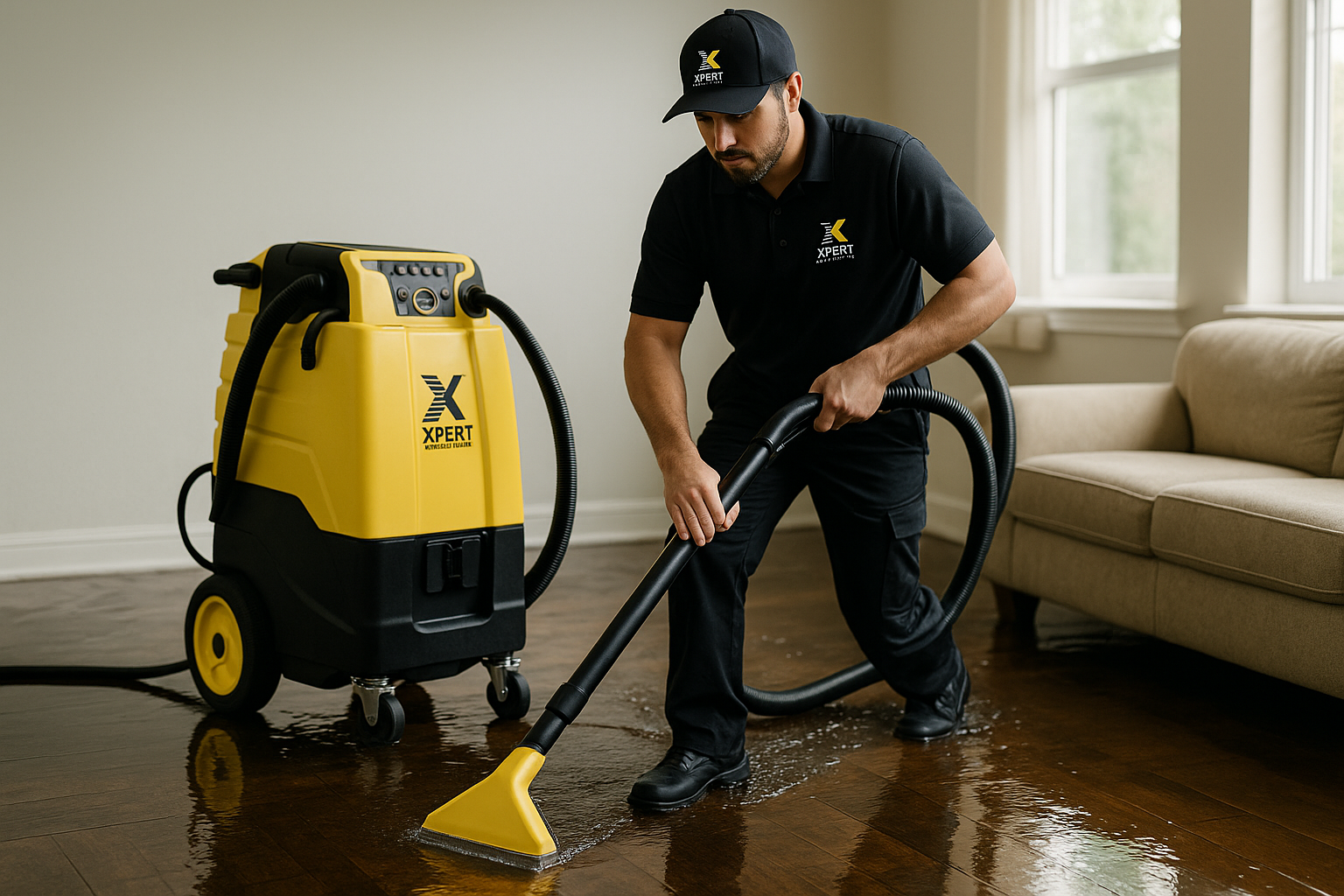
Small events can be handled with towels or a wet vacuum. Anything more significant usually requires professional extraction. People underestimate how quickly water spreads under flooring and into wall cavities. The goal is to get water off the surfaces as fast as possible so materials stop absorbing it. Delays here are the biggest reason repair costs skyrocket.
Step five start the drying process
Airflow heat and dehumidification are the holy trinity of drying. Open windows if the outdoor humidity allows it. Use fans to create circulation. Use dehumidifiers generously. If you are in Carol Stream during a humid stretch which is half the year do not rely on outdoor air to dry anything. Moisture in the air will work against you.
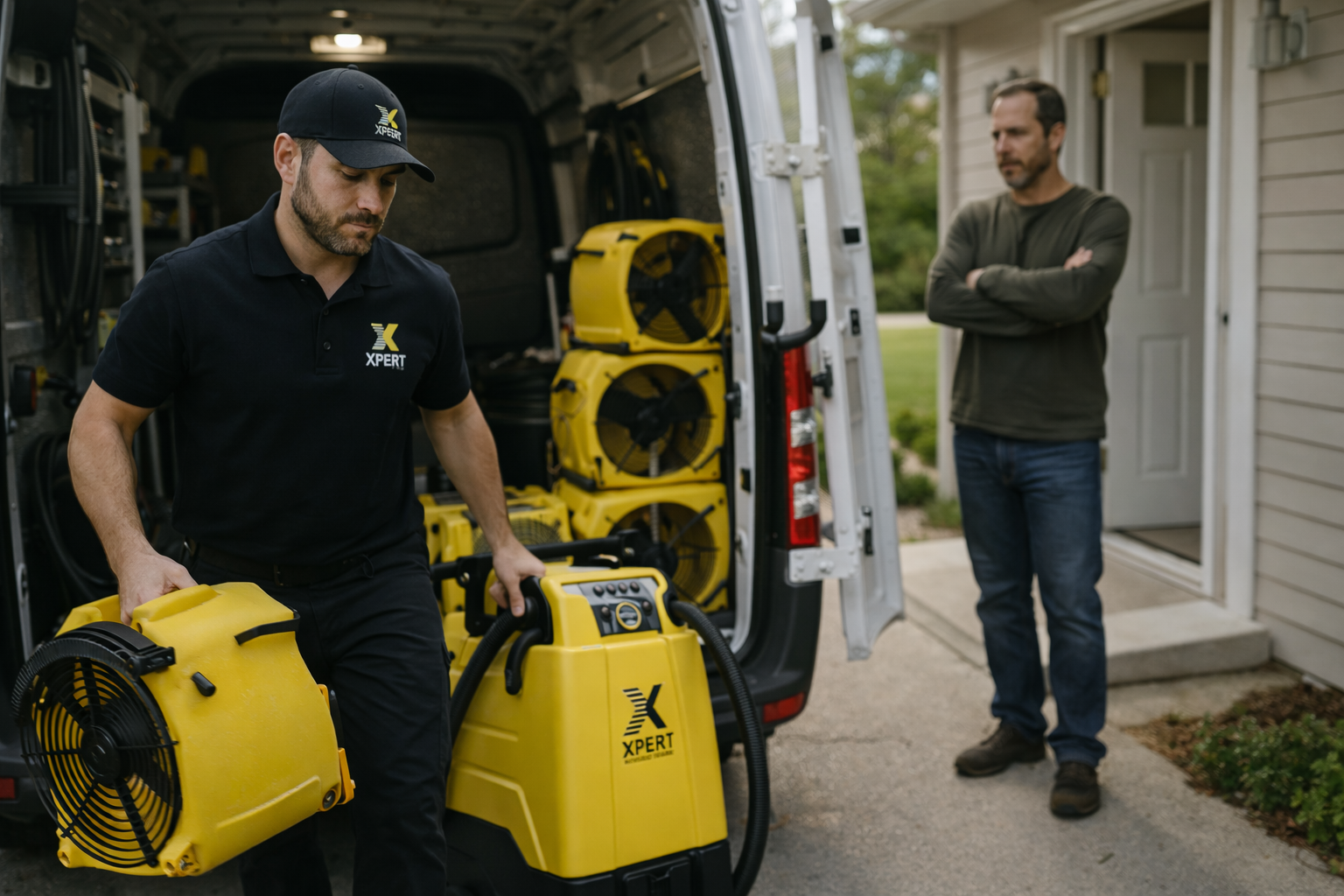
Professionals use high grade air movers and commercial dehumidifiers because they pull moisture out at a rate consumer machines cannot match. If more than one or two rooms are affected the job will almost always require professional equipment to prevent mold.
Step six protect items that can still be saved
Furniture should be lifted off the floor. Area rugs should be moved to dry spaces. Electronics need to be unplugged and relocated. Important documents and personal items need to be dried and separated. Anything absorbent can grow mold so move fast.
I have seen homeowners save family heirlooms simply because they took ten minutes to relocate them before dealing with the floors. Prioritize sentimental items and anything expensive to replace.
Step seven inspect for hidden moisture
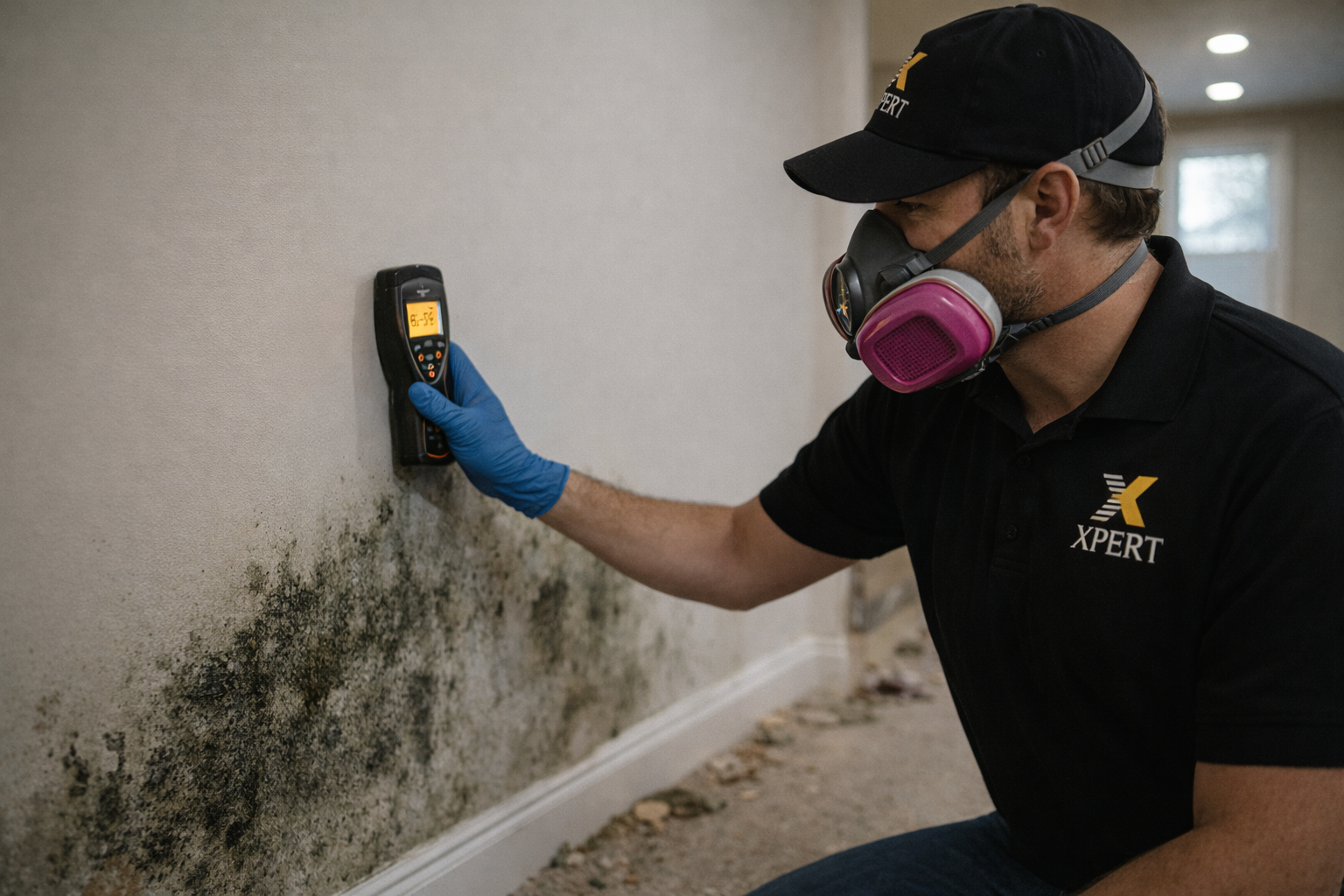
This is where many homeowners in Carol Stream lose the battle. Water hides in wall cavities behind baseboards under tile beneath laminate and inside insulation. What looks dry on the surface can still be soaked beneath. Moisture meters and thermal cameras detect hidden pockets that the naked eye misses.
Skipping this step leads to long term problems especially mold which thrives in unseen damp areas. If you are not equipped to inspect behind materials it is best to call a certified restoration company for a full moisture inspection.
Step eight prevent mold growth
Mold begins developing as quickly as one to two days after water exposure. Once mold takes root the cleanup process becomes significantly more complicated and expensive. Keep humidity controlled. Keep air moving. Remove wet porous materials that cannot be dried in time.
Professional teams follow strict containment and filtration practices to prevent mold from spreading to clean areas. Homeowners trying to handle mold without proper equipment often make the situation worse because spores travel easily.
Step nine evaluate what can be restored
Not everything soaked in water can be saved. Drywall may need to be removed. Carpet padding often has to be replaced. Laminate flooring usually does not survive serious water exposure. Solid wood and tile fare better but still require proper drying.
Make decisions based on safety not convenience. Saving wet materials only to have mold appear a month later will cost significantly more than replacing them upfront.
Step ten work with restoration professionals when needed
Carol Stream has a mix of older homes newer construction and a wide range of building materials. That means no two water damage events are exactly alike. A certified restoration team brings equipment specialized drying strategies and experience that shortens the recovery timeline and prevents secondary damage.
Professionals also know how to navigate insurance claims which saves homeowners considerable frustration. A good contractor handles documentation communicates clearly and works with adjusters to make sure the scope of damage is accurately captured.
Why fast action matters in Carol Stream
Our Midwest weather is never gentle. Winter brings frozen pipes. Spring brings heavy rain. Summer brings humidity. Fall brings storms. Because of that Carol Stream homeowners face conditions where water damage can evolve quickly and silently. The sooner you intervene the more money you save. The sooner the drying process starts the better the outcome.
Final thought
Water damage is stressful but it is not the end of the world. The key is speed clarity and action. When you respond quickly you protect your home and your finances. When you follow proven steps you reduce long term risks. Carol Stream homeowners who take these actions consistently see better outcomes and faster recoveries.
Related Posts

Recent Posts